

DMT Education
A powerful experience with limited clinical evidence.
DMT can produce rapid, profound changes in perception, emotion, sense of self, and the experience of time. A vivid or personally significant experience is not the same as a medically proven benefit.
01
What DMT is
N,N-dimethyltryptamine, usually called DMT, is a short-acting psychedelic compound. The intensity and meaning of an experience vary widely.
DMT is also discussed in connection with ayahuasca, but they are not interchangeable. Ayahuasca contains additional compounds that slow the breakdown of DMT and materially change its duration, interaction profile, and risks. General information about one form should not be assumed to apply to another.
02
What research can—and cannot—tell us
Early controlled human studies have characterized acute effects and short-term tolerability in small, screened groups. They help researchers understand changes in consciousness, mood, blood pressure, heart rate, and other short-term measures. They do not establish that DMT is safe for everyone or effective for treating a health condition.
The evidence remains limited by small samples, selective enrollment, short follow-up, and highly controlled settings. Long-term effects, uncommon adverse events, risks for people with significant medical or psychiatric histories, and outcomes outside supervised research are not well established. DMT is not FDA-approved to treat a medical or mental-health condition.
03
Risks worth understanding
Possible acute effects include fear, panic, confusion, disorientation, nausea, dizziness, and temporary increases in heart rate or blood pressure. Altered awareness can increase the risk of falls, accidents, or unsafe decisions. Some people report lingering anxiety, sleep disruption, difficulty making sense of the experience, or persistent perceptual changes.
Particular caution is warranted for people with cardiovascular concerns, seizure history, pregnancy, or a personal or family history of psychosis or bipolar-spectrum illness. Evidence about interactions with medicines, supplements, and other substances is incomplete. Combining substances can change effects unpredictably; preparations containing monoamine oxidase inhibitors raise additional interaction concerns.
This list is not a screening tool. Individual risk questions belong with a licensed clinician who can review a person’s health history and medications.
04
Preparation is more than intention
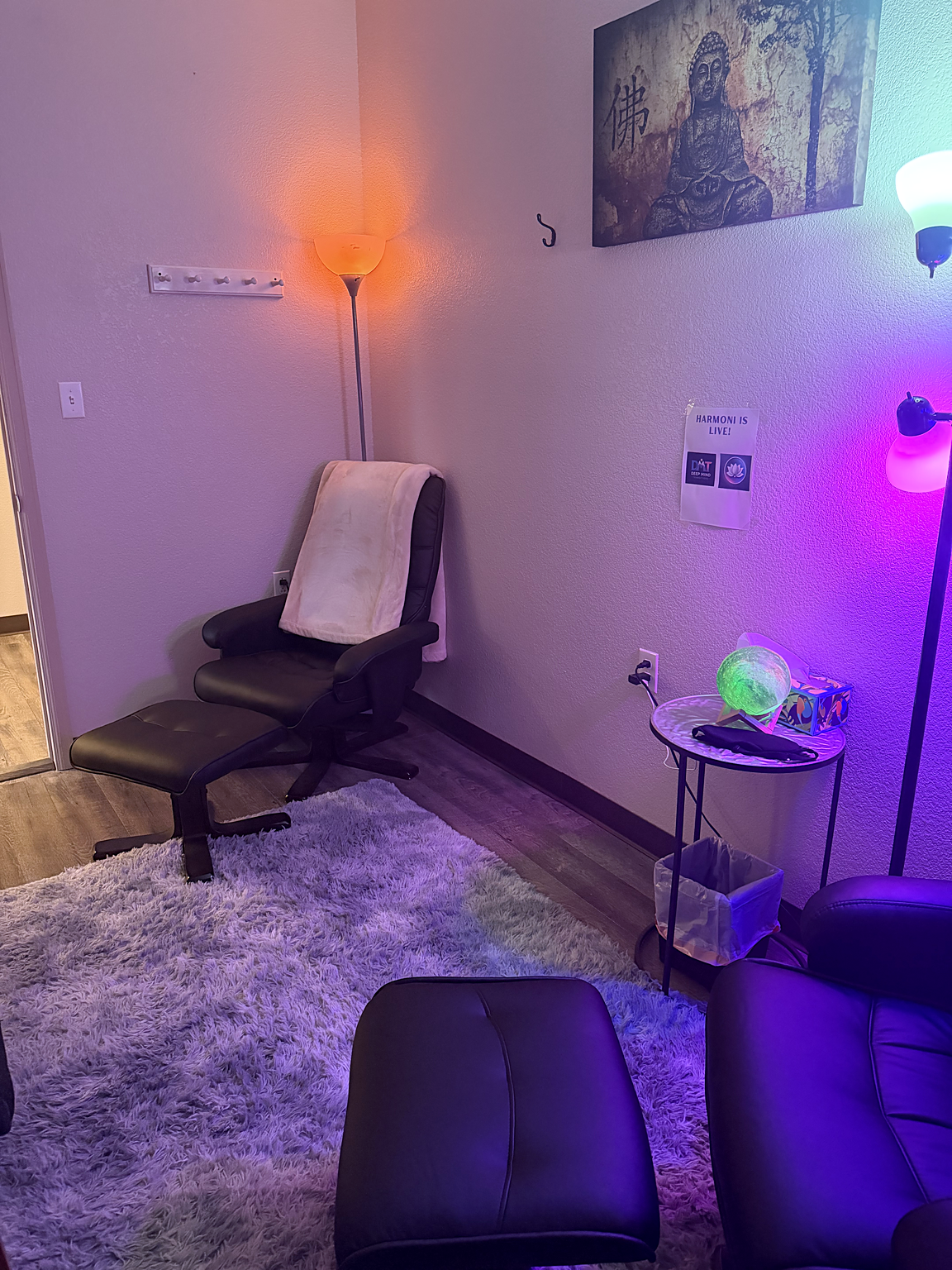
In research settings, preparation is part of a larger safety structure. It may include health and medication screening, informed consent, expectations, setting, trusted support, emergency planning, and follow-up. A calm intention or comfortable room cannot remove medical or psychological risk.
- Am I treating an online story or personal testimony as stronger evidence than it is?
- What would I do if the experience became frightening or confusing?
- Who could help if distress continued afterward?
- Am I making space to rest before drawing major conclusions or making major life decisions?
05
Integration after an intense experience
People may feel clarity, uncertainty, relief, fear, or a mixture of reactions afterward. Integration can mean slowing down, recording what happened, separating observations from interpretations, reconnecting with ordinary routines, and seeking qualified support when needed. No one should be pressured to assign a spiritual, medical, or therapeutic meaning to an experience.
Persistent panic, severe insomnia, paranoia, mania-like symptoms, suicidal thoughts, or difficulty functioning call for prompt professional help.

06
Where this education ends
This page is here for learning. For more education on microdosing, please contact us.
Sources & further reading
- 01Psychedelic and Dissociative Drugs, U.S. National Institute on Drug Abuse.
- 02Psychedelic Drugs: Considerations for Clinical Investigations — Guidance for Industry, U.S. Food and Drug Administration, 2023.
- 03Acute effects of intravenous DMT in a randomized placebo-controlled study in healthy participants, Timmermann et al., Translational Psychiatry, 2023.
- 04Exploratory study of the dose-related safety, tolerability, and efficacy of dimethyltryptamine in healthy volunteers and major depressive disorder, Goodwin et al., Neuropsychopharmacology, 2022.
- 05Ayahuasca and Dimethyltryptamine Adverse Events and Toxicity Analysis: A Systematic Thematic Review, Uthaug et al., International Journal of Toxicology, 2024.
- 06Drug–drug interactions involving classic psychedelics: A systematic review, Sarparast et al., Journal of Psychopharmacology, 2024.